Roads Surface and Ditch Erosion
Erosion from road surfaces is termed chronic because it occurs on an on-going basis, during every rainfall event that results in surface runoff. Chronic road surface erosion is primarily dependent on the level of road usage, the erodibility of the road surface, the steepness of the road, and the amount of surface runoff that is collected, concentrated, and discharged from the road. The amount of fine sediment delivered to stream channels from these eroding road surfaces can be substantial over time, and in many watersheds may represent the greater detriment to fish habitat and the aquatic ecosystem.
Common processes of road surface, cutbank, and ditch erosion:
- Mechanical pulverizing and wearing down of road surfaces by vehicular traffic.
- Erosion of unpaved road surfaces by rainsplash and runoff during periods of wet weather.
- Erosion of inboard ditches by runoff during wet weather.
- Erosion of cutbanks by dry ravel, rainfall, slope failures, and brushing/grading practices.

Example of how to address road surface and ditch erosion issues


Watch how to construct a rolling dip
See this video on Napa RCD’s website.
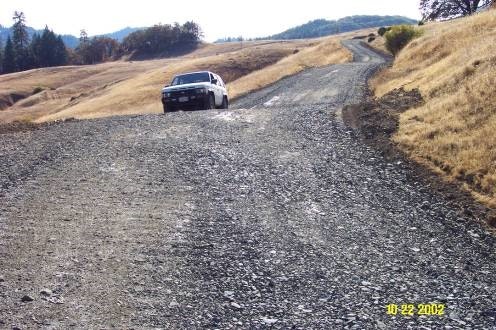
Example of properly designed road surfaces


What should I do about road surface and ditch erosion problems?
- Contact the Marin RCD: call, email, or use the submission form in the sidebar of this page.
- Road surface upgrades and maintenance usually do not require permits; check before starting a project.
How can I get help?
RCD staff can work with you to assess erosion sources, develop improvement plans, and oversee implementation. Cost-share for this service may be available or the RCD may perform work as "fee-for-service." Contact the RCD by submitting your information: