Carbon Farming
Design
Once a project is selected by a Technical Advisory Group, it moves into the design phase. Depending on the project, the design may require an engineer or other technical expert.
Funding Opportunities for Working Lands - Click HereFunding Overview
Various funding programs can provide cost-share, incentive, or full funding for conservation and carbon farming projects in Marin.
At times, Marin RCD is awarded private or public funds to administer for the design and implementation of Carbon Farm Plan practices on private working lands in Marin County. If you have questions about current funding opportunities through Marin RCD, we recommend that you call us at 415-663-1170, email us at marinrcd@marinrcd.org, or fill out the form below.
Design & Implementation: Working with STRAW
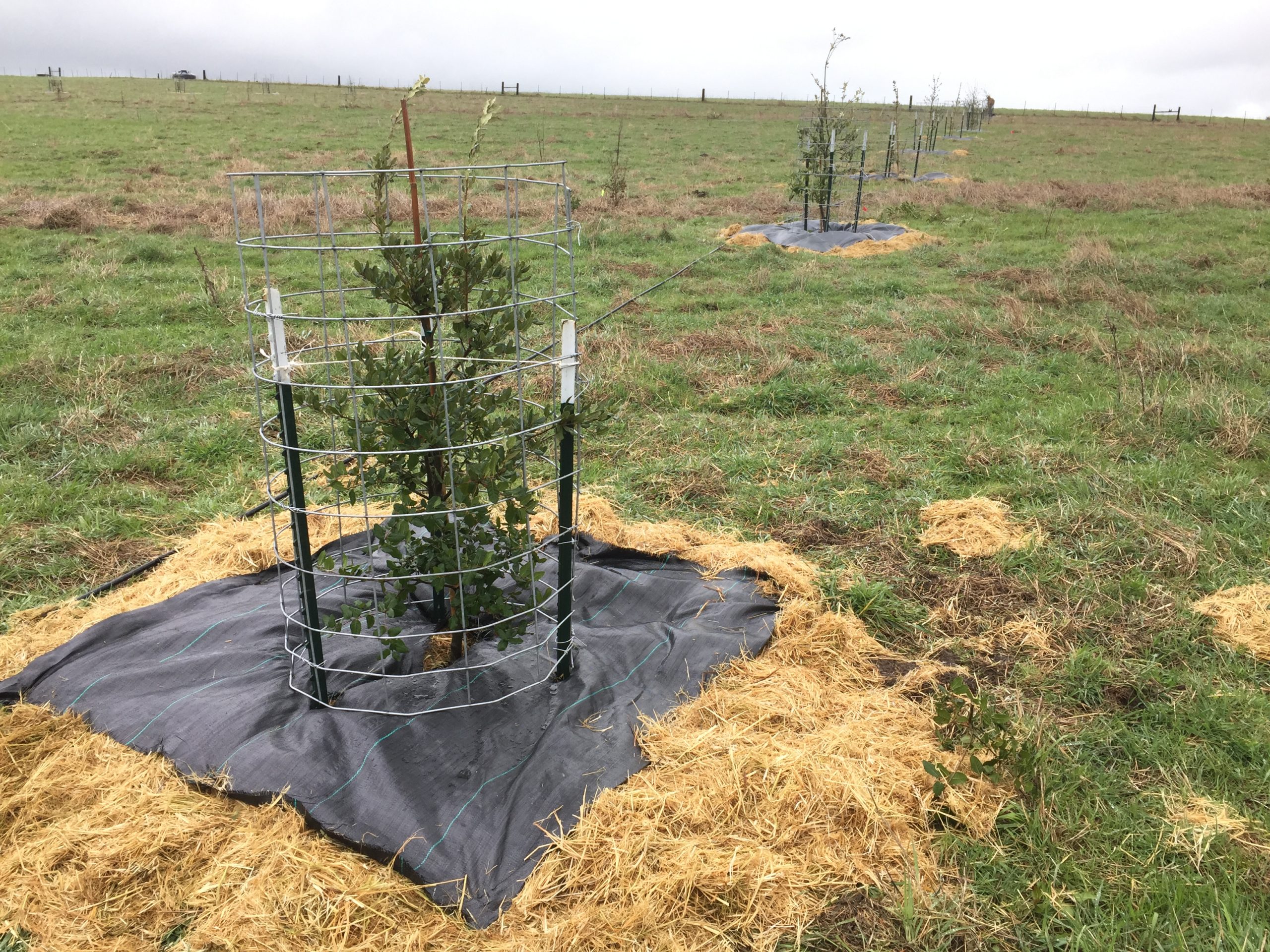
In the case of riparian restoration or most other planting projects, the RCD partners with Point Blue Conservation Science’s Students and Teachers Restoring a Watershed (STRAW) Program. STRAW technicians and project managers develop thorough designs in collaboration with RCD staff, the landowner and other stakeholders.
Once the project moves into the implementation phase, STRAW brings out local students to engage them in the restoration process. Students have the opportunity to learn about everything from soil health, food systems, ecology, native plant history and use, and much more from the talented STRAW team. After their technical class and field lessons, they get their hands dirty planting!
Practice-Specific Resources
Below are helpful documents about the county’s most common carbon farming practices for design and implementation purposes. Much of the information is tailored to Marin County.


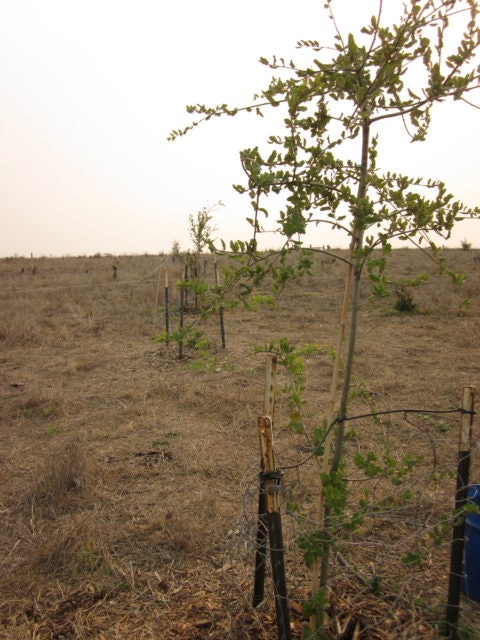

May 11, 2020 Compost and HSP Webinar
MRCD’s Guide to Compost Application.pdfMay 11, 2020 Compost Webinar Slides.pdfMarin County Compost Cost Estimate Calculator
Local Compost Facilities, Haulers, and Spreaders List.pdfFibershed’s Guide to Compost Application.pdfCompost Application Rate, White Paper.pdf

Marin County Range Planting Cost Estimate Calculator
Range Planting NRCS Practice Standard.pdfRange_Planting_HSP_Practice_Payment_Scenarios.pdfRange Planting NRCS Overview.pdfNo-Till Seeder Rentals and Custom Seeder List.pdfCopy-of-Current-Prices-and-Availability-of-Range-Planting-Species-Available-at-LeBallisters-Seed-2021.pdf


USDA Animal and Plant Health Inspection Service
Questions to ask nurseries about plant growing and maintience practices.pdf
Wildlife-Friendly Fencing, Excerpt from Marin RCD’s Tending the Edges Hedgerow Publication, 2022.
“Planning and Building Fences on the Farm”, University of Tennessee Agricultural Extension..pdf
Marin RCD’s Carbon Farming Program:
Designs and Implementation
Marin RCD, in collaboration with our partners (see sidebar), provides technical and financial assistance to landowners and land stewards to plan, design, and implement projects on West Marin working lands that promote soil and watershed health, wildlife habitat, greenhouse gas sequestration, and restoration education for local K-12 students.
Our carbon farming program first engages land stewards by creating Carbon Farm Plans to guide future implementation of NRCS practices that sequester carbon or reduce emissions. Practices include: conservation cover, residue and tillage management, cover cropping, critical area planting, multistory cropping, filter strip, grassed waterway, hedgerow planting, compost application, forage biomass planting, prescribed grazing, range planting, riparian forest buffer, riparian restoration, riparian herbaceous cover, wetland restoration, tree and shrub establishment, windbreak establishment, silvopasture establishment, combustion system improvement, land reclamation and landslide treatment, anaerobic digester, and landfill emissions reduction through on-site compost production. Also included in our plans and program include the following supporting practices: riparian fence, water development, grade stabilization structure, spring development, streambank protection, and stream channel stabilization. After a Carbon Farm Plan is created, a land steward can implement practices on their own, seek technical and financial assistance from Marin RCD and/or our partners, or apply to implementation grants on their own (see the table linked in the “Funding” sidebar for more information).
Some expected co-benefits of implementing carbon farming practices include: improving the ability of farmers and ranchers to adapt to existing and future impacts of drought and climate change by increasing groundwater recharge and soil water-holding capacity (a 1% increase in soil organic matter – a majority of which is carbon – will hold 20,000 gallons more water per acre!); increasing on-farm plant diversity; preserving, improving and/or enhancing wildlife habitat; reducing GHG emissions; and increasing agricultural productivity.
Carbon Farming Implementation Partners
- Point Blue Conservation Science
- USDA’s Natural Resource Conservation Service (NRCS)
- Marin Agricultural Land Trust
- Point Reyes National Seashore
- Fibershed
- Carbon Cycle Institute
- UC Cooperative Extension
- Conservation Corps of the North Bay
- County of Marin, Drawdown: Marin
Thank you to the funding agencies who have supported Marin Carbon Project and Marin RCD’s Carbon Farming Program:
- Marin Agricultural Land Trust’s Stewardship Assistance Program
- USDA’s Natural Resource Conservation Service (NRCS)
- Wildlife Conservation Board
- State Coastal Conservancy
- Marin County Measure A
- California Department of Food and Agriculture (CDFA)
- The 11th Hour Foundation
- Marin Community Foundation
- The Seed Fund
- Let’s Give a Shuck, Hog Island Oyster Co.
- The ROAR Foundation